Procedural 3D Paint
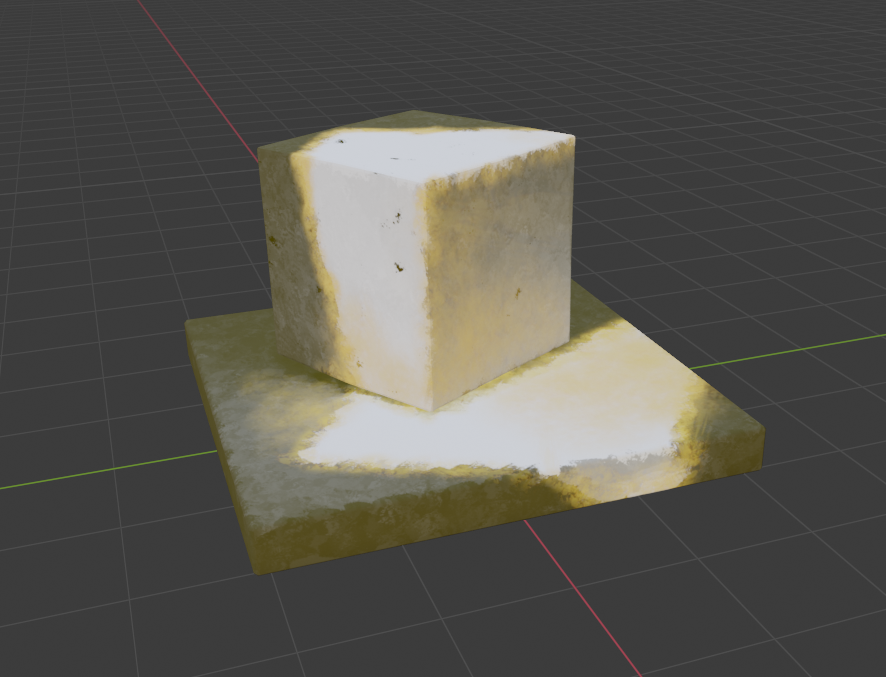
🖌️ Motivation
The painterly style has been sought for decades with 3D computer graphics , and this is my stab at the classic problem.
The texture of paint in graphics, with swirls and dabbles of color, evoke the splendor found in traditional painting—it feels like art .
No wonder we try so hard to bring the look to digital 3D spaces.
Role
Independent Researcher
Timeline
Winter 2021 - Spring 2022
Tools
Javascript
Blender
🛠️ Methodology
To recreate painted textures with computer code, I knew I had to start by studying human artisans first .
I wanted to focus on replicating a color transition technique painters use between regions of shadow and light, saturating the boundary.
This features prominently with translucent surfaces like skin, and is a stylization painters can employ with solid surfaces too.
While designing this system, I was able to learn from the knowledge of craftsman outside my field to attack the problem at hand.
With a plan formulated, I just had to implement it. Starting with a scene (1), I used Blender to bake lightmaps as a reference texture (2). I discoveredglobal illumination is a must to achieve the soft haziness of paint.
A custom brush engine brush then applies a base layer of color with curved strokes (3).
Next, my engine proceeds to mark out the shadow-light boundaries and strokes the region with a saturated midtone (4).
Now what the global illumination from before does is "expand" the shadow-light boundary ever so slightly—such that the color bleeds into the shadows.
With a plan formulated, I just had to implement it. Starting with a scene (1), I used Blender to bake lightmaps as a reference texture (2). I discovered
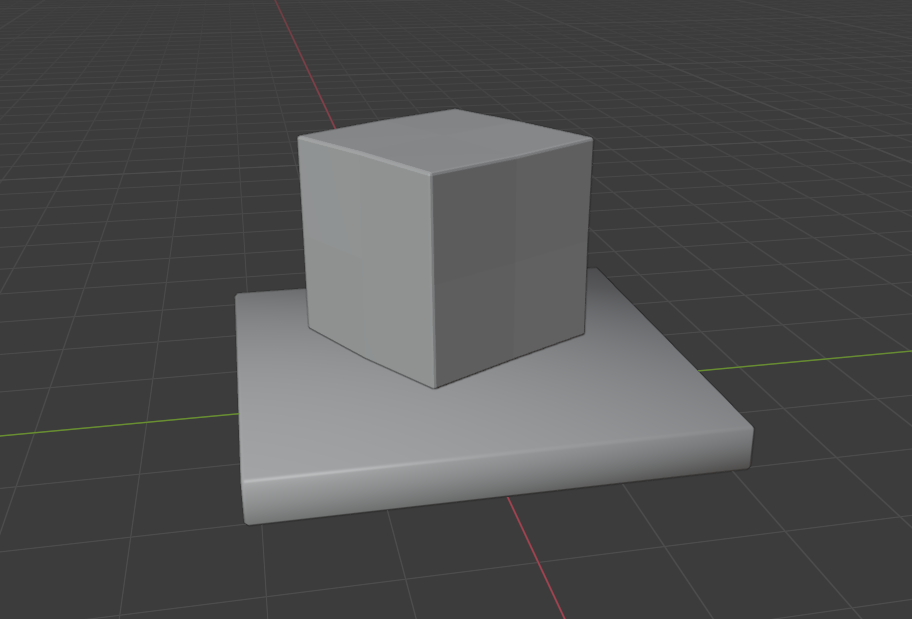
(1)
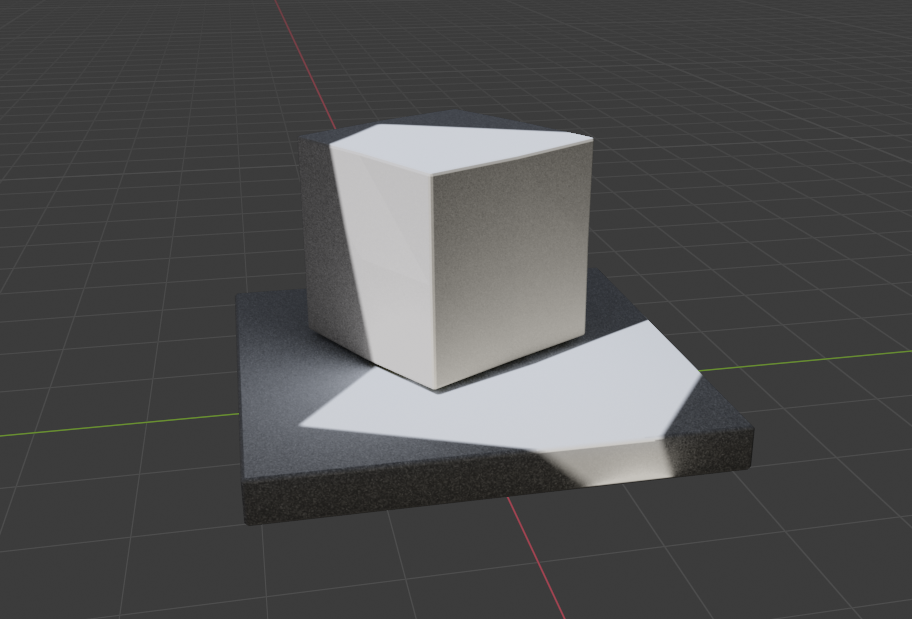
(2)
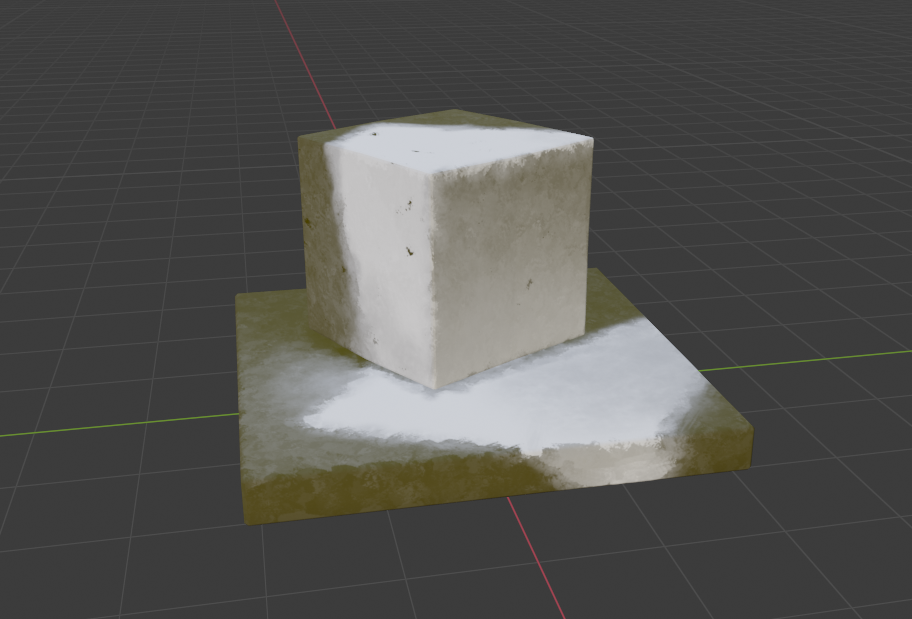
(3)
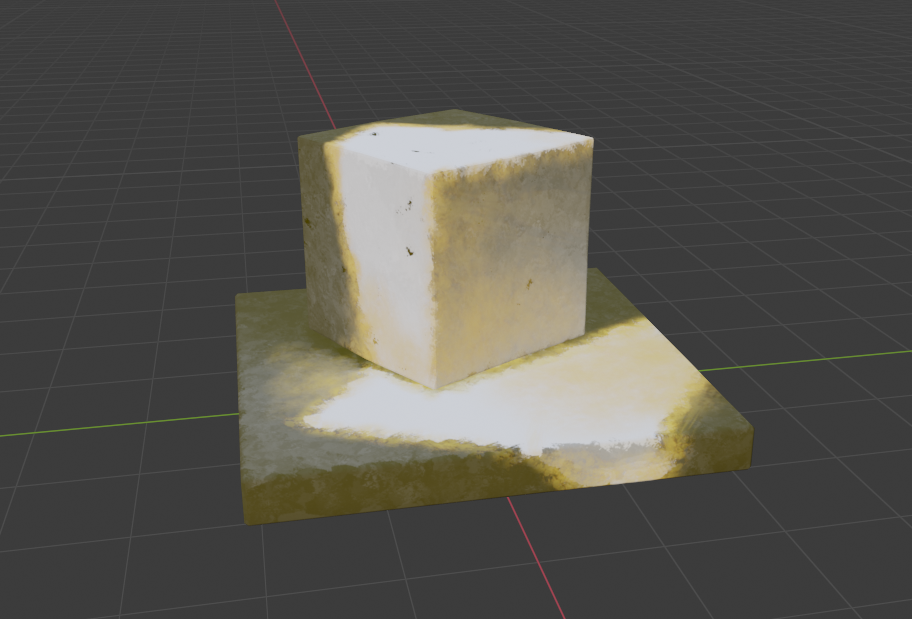
(4)
💭 Retrospective
The painterly 3D style didn't turn out quite how I wanted it to look like. I initially drew inspiration from
recent trends in non-photorealistic rendering (NPR) animation—like Riot Games' Arcane—where artists painted the textures by hand.
My system was a mere imitation of their craft, and yet I wasn't disappointed. I realized that an artists'
"aesthetic sense" is irreplacable, and in the future, I would integrate user input to guide my system.
Looking back, I realize how pervasive human-computer interactions appear in the work I do, and it makes me excited
to be part of a field that's constantly evolving and pushing the bounds of how computers assist humans.
Alas, a beautiful experiment has come to an end, yet I can't help but ponder what else NPR can do in computer graphics.
I've only scratched the surface after all. It's certainly a gem to revisit...